A testimonial is one of the cheapest sales assets a business can make, and one of the most often left unused. A happy customer says the right thing on camera, the clip sits on a phone for six weeks, and the moment passes. Most of those clips never get a second look. Testimonial video editing is the step that turns that clip into something a prospect will actually watch. Raw footage is usually too long, too quiet, too dark and too messy to post as it is. It needs a strong opening line, tight cuts that drop pauses and false starts, captions for people watching with the sound off, and a clean ending with a call to action. Most owners know this. Few have the evenings to do it every week, which is why more small businesses look for a testimonial video editing service instead of learning yet another app.
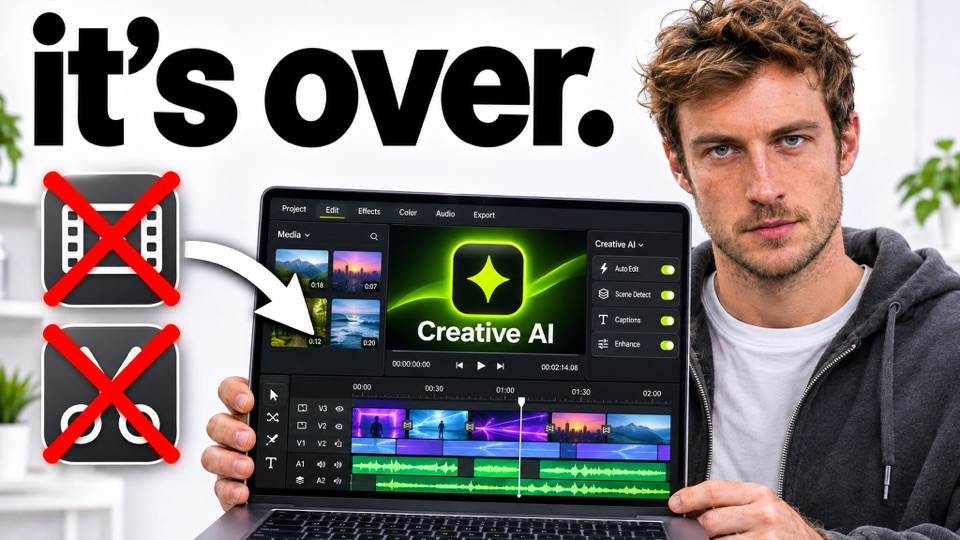
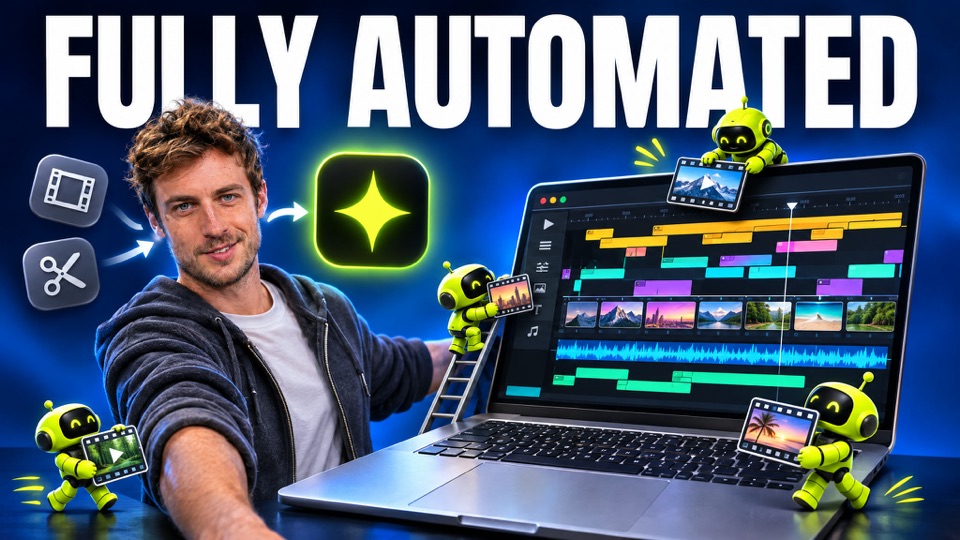
CreatorSuite runs the whole process. You upload the raw footage, which can come straight from a phone. The AI finds the strongest line the customer said, cuts the dead air around it, and builds the edit around that moment. It then adds captions, a name and company lower third, b-roll where it helps, music from your brand kit and sound levels that work on mobile. The brand kit is set up once and applied to every edit after that. The same interview can give you a vertical cut for social and a wider version for your website. Teams that record in-depth interviews often start with interview video editing, then add product demo clips that show the customer using the product. Each piece is cut to the same standard, so the whole feed looks like one company.
What should you look for in a customer testimonial video editing service? Start with turnaround. A testimonial is most useful while the customer is still happy with the result, so hours beat days. Next, check how the brand stays consistent. Your logo, fonts, colours and caption style should appear on every edit without you resending them each time. Then look at revisions. Basic gives two per edit, and Plus and above give unlimited revisions, which matters when a customer wants a different line used. Last, check the rules. Testimonials are claims, so the edit should show what the customer actually said. Businesses in regulated fields, such as doctors' practices, need the same discipline on every clip.
Cost is the other question, and testimonial video editing is where many budgets slip. An in-house video producer is a full salary, and freelancers usually charge per edit, which makes it hard to plan how many testimonials you can publish each month. A monthly plan gives you a fixed allowance instead. Basic is $9 a month for 9 short videos or 2 long-form videos, with 2 thumbnails. Plus is $39 a month for 15 short videos or 5 long-form videos, with 5 thumbnails and unlimited revisions. A cheap plan only pays off if the output is ready to post, so check that you receive finished files, not a folder of raw cuts. If you are comparing options, the alternatives page explains where a done-for-you edit fits next to editing tools. Vizard is one tool people often compare with it.
The businesses that get the most from testimonials do not have the best camera. They film customers regularly, open each clip with the result the customer named, and keep every video on brand so the feed and the website look like one company. Film a customer for ten minutes, send the footage, and receive a finished cut for your landing page, an ad or a sales email. If you also teach, the same routine suits course video editing built around student stories. The video editing services by format page lists every format we cut. Testimonial video editing is the step that makes this routine possible, so the next customer who says something good can be published the same week.